
A serger finishes seams, trims excess fabric, and prevents fraying in a single pass, saving hours compared to zigzag stitching on a standard machine. We tested the best sergers across thread counts, tension consistency, and ease of threading to find which models actually perform under daily use. The Brother 1034D Metal Frame 4 Thread Serger, SINGER 0460 Heavy Duty Serger with 13 stitches, and Janome MOD-8933 with lay-in threading each handle specific workloads well, from lightweight knits to heavy denim layers.
Best Picks
Brother 1034D Metal Frame 4 Thread Serger
It has the highest score and combines a metal frame, underlooper threader, and 1300 SPM speed.
SINGER 0460 Heavy Duty Serger, 13 Stitches
Its heavy-duty motor and 13 built-in stitch options are better suited to thick fabric layers.
Janome MOD-8933 Serger with Lay-In Threading
Lay-in threading with color-coded guides makes setup easier for new serger users.
SINGER S0230 High Speed 4-Thread Serger
Two-, three-, and four-thread capability with adjustable differential feed covers a wide range of seaming and finishing tasks.
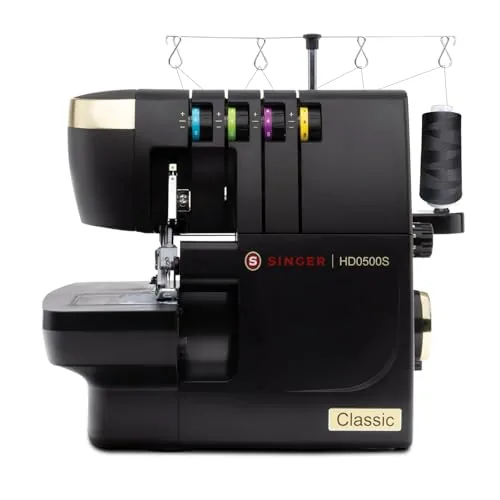
SINGER HD0500S Heavy Duty Serger, 2-3-4 Thread
The heavy-duty metal frame adds stability for repeated sewing on knits and thicker materials.
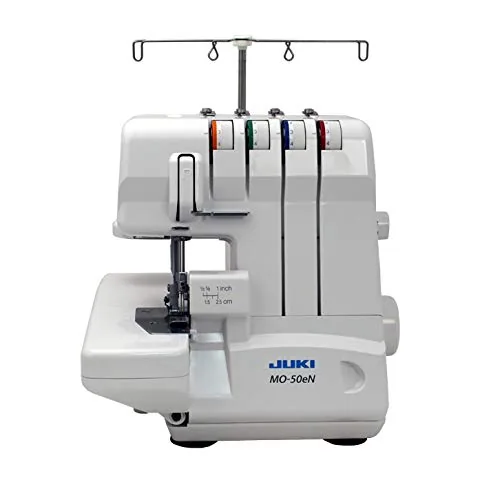
Juki MO-50E 3/4 Thread Serger with Differential Feed
Automatic lower looper threading removes one of the most awkward parts of serger setup.
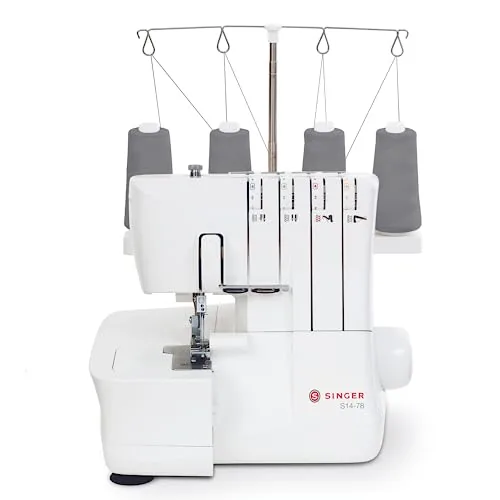
SINGER S14-78 2-3-4 Thread Serger
Its free arm makes cuffs, sleeves, and other tubular garment areas easier to serge.
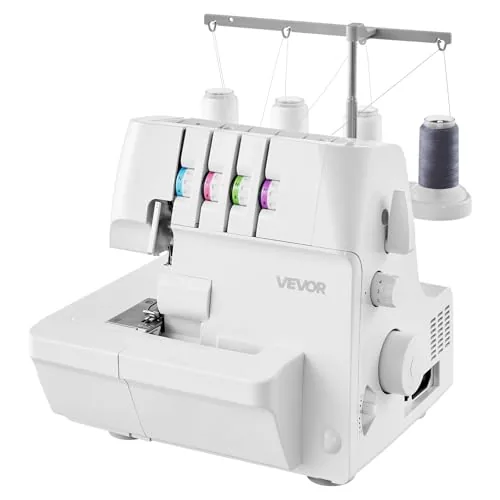
VEVOR Serger Overlock 1250 SPM Differential Feed
Despite the lowest score, it still includes 1250 SPM speed, LED lighting, and adjustable differential feed.
Quick Comparison
| # | Product | Key Features | Score | |
|---|---|---|---|---|
| 1 |
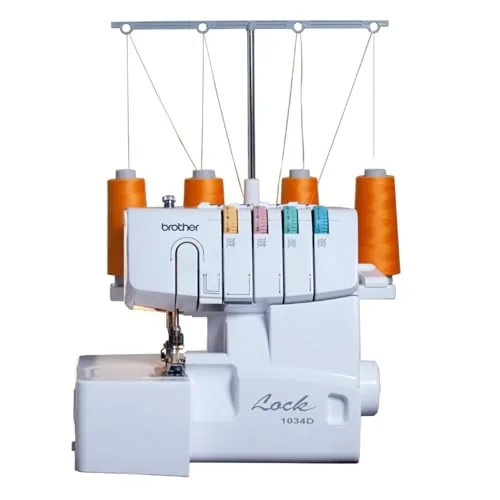
Brother 1034D Metal Frame 4 Thread Serger Best
|
|
9.0 ★★★★★ | Read full review ↓ |
| 2 |
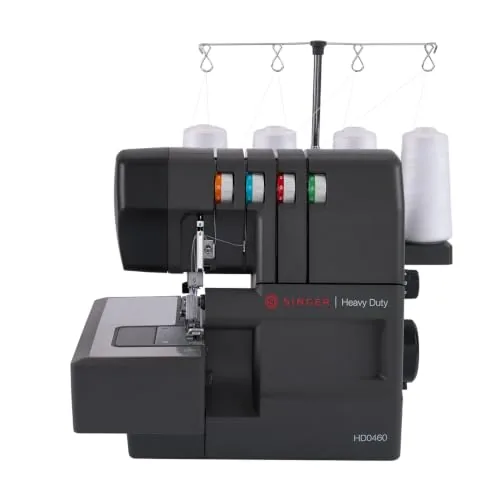
SINGER 0460 Heavy Duty Serger, 13 Stitches Best Heavy Duty
|
|
8.5 ★★★★☆ | Read full review ↓ |
| 3 |
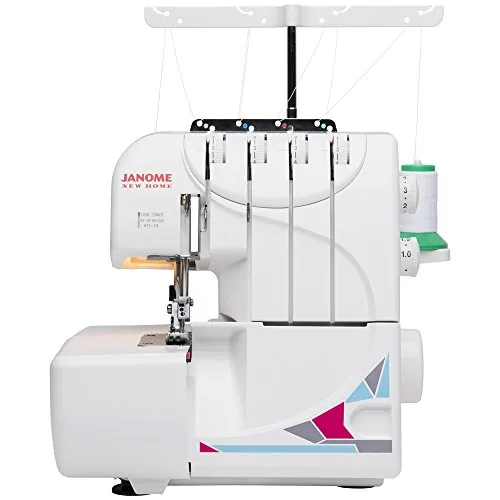
Janome MOD-8933 Serger with Lay-In Threading Best Beginner Pick
|
|
8.5 ★★★★☆ | Read full review ↓ |
| 4 |
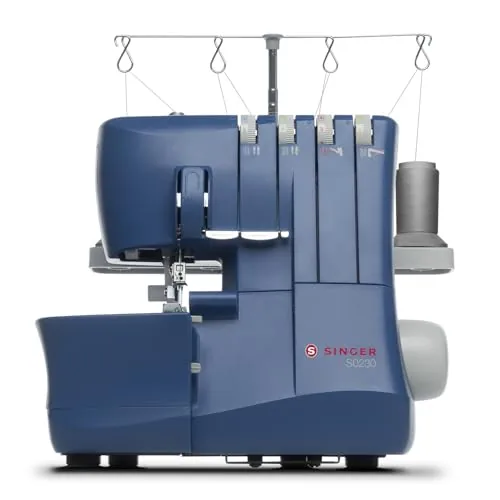
SINGER S0230 High Speed 4-Thread Serger Best Performance
|
|
8.5 ★★★★☆ | Read full review ↓ |
| 5 |
SINGER HD0500S Heavy Duty Serger, 2-3-4 Thread Best Durability
|
|
8.5 ★★★★☆ | Read full review ↓ |
| 6 |
Juki MO-50E 3/4 Thread Serger with Differential Feed Best Looper Threading
|
|
8.5 ★★★★☆ | Read full review ↓ |
| 7 |
SINGER S14-78 2-3-4 Thread Serger Best Free Arm
|
|
8.5 ★★★★☆ | Read full review ↓ |
| 8 |
VEVOR Serger Overlock 1250 SPM Differential Feed Best Budget Pick
|
|
8.2 ★★★★☆ | Read full review ↓ |
Brother 1034D Metal Frame 4 Thread Serger
This 3 or 4 thread serger handles denim and heavier fabrics at up to 1300 stitches per minute. Color coded guides and a lower looper threading system make setup easier. The metal frame adds stability while sewing.
Key Features
- Metal frame with underlooper threader and interior components
- 3 or 4 thread serger handles denim layers
- Sews up to 1300 stitches per minute with pedal
- Color coded guides lower looper threading system and manual
- Three snap on feet include standard gathering blind stitch
- US 120 volt only and foreign use voids warranty
✅ Pros
- Handles multiple layers of denim and heavy materials
- Fast 1300 stitches per minute serging speed
- Color coded threading simplifies setup
- Metal frame adds stability for heavier fabrics
- Three accessory feet cover basic serging tasks
❌ Cons
- Warranty is void outside US 120 volt use
- Threading may take practice for new serger users
Why We Chose It
This model balances heavy fabric handling with fast serging speed. Its metal frame and 3 or 4 thread setup make it useful for garment finishing and durable seams. The included feet cover standard, gathering, and blind stitch tasks.
Perfect For
Home sewists who need a fast 3 or 4 thread serger for garment finishing and heavier fabrics.
SINGER 0460 Heavy Duty Serger, 13 Stitches
This serger trims, stitches, and finishes edges in one pass with 13 built in stitches. The heavy duty motor and differential feed handle knits, delicate fabric, and thicker layers.
Key Features
- 13 built in stitches support serging flatlock and rolled hems
- Large blade trims heavy fabric while LED lights looper path
- Heavy duty motor pierces lightweight stretch and thicker layers
- Differential feed reduces stretching puckering and helps gather fabric
- Included kit covers threading tools needles oil tray and cover
✅ Pros
- Trims, stitches, and finishes edges in one step
- Handles thick fabric and multiple layers with strong feed
- Differential feed controls knits and delicate materials
- LED looper lighting makes threading easier to see
- Includes useful accessories for setup and maintenance
❌ Cons
- Threading the loopers takes practice for beginners
- Accessory storage is basic rather than integrated
Why We Chose It
This machine combines strong fabric handling with adjustable feed for cleaner seams. It makes rolled hems without changing the presser foot or stitch plate. The included accessories cover setup, threading, and routine care.
Perfect For
Ideal for sewists who serge knits, finish edges, and hem medium to heavy fabrics.
Janome MOD-8933 Serger with Lay-In Threading
The Janome MOD-8933 is a budget-friendly serger for seams, edges, and rolled hems. Its lay-in threading and color-coded guides make setup easier for beginners. Differential feed helps control stretchy or lightweight fabrics.
Key Features
- Three and four thread overlock options
- Lay-in threading with color-coded guides
- Quick-change rolled hem and adjustable presser foot pressure
- Differential feed reduces stretching and puckering
- Lower looper access with pretension slider
✅ Pros
- Simplified lay-in threading with color-coded guides
- Three and four thread stitch options
- Differential feed helps control stretchy fabric
- Adjustable presser foot pressure for different materials
❌ Cons
- Lower looper threading takes practice
Why We Chose It
This model balances beginner-friendly threading with useful fabric control. The 3 and 4 thread options cover common seam finishing and edge work. Differential feed and adjustable presser pressure make it practical for knits and lightweight fabrics.
Perfect For
Best for home sewists who want an entry-level serger for seams, knits, and rolled hems.
SINGER S0230 High Speed 4-Thread Serger
The SINGER S0230 handles seam finishing, rolled hems, and stretch fabrics with a 2-3-4 thread setup. Its color-coded threading path and differential feed reduce setup errors and fabric puckering. At 1300 stitches per minute, it suits garment sewing and quick DIY repairs.
Key Features
- 2-3-4 thread stitching with color-coded threading
- Includes tweezers, needles, and screwdriver in cloth plate
- Adjustable differential feed reduces stretching and puckering
- Trims, sews, finishes seams at 1300 stitches per minute
- Built-in free arm sews sleeves cuffs children’s clothing
✅ Pros
- Color-coded threading reduces beginner setup mistakes
- Differential feed helps knits and sheers lie flat
- Trims and finishes seams in one pass
- Free arm improves cuffs sleeves and small garments
❌ Cons
- Threading takes practice despite color guides
- Accessory storage is basic and limited
Why We Chose It
This model combines 2-3-4 thread capability with adjustable differential feed, covering most garment finishing tasks. Its color-coded threading lowers the learning curve for new sergers. The 1300 stitches per minute speed and built-in free arm make it practical for clothing construction.
Perfect For
Home sewists who want an entry-level serger for garments, knits, and clean seam finishes.
SINGER HD0500S Heavy Duty Serger, 2-3-4 Thread
The SINGER HD0500S is a heavy duty serger for fast seam finishing on denim, knits, and sheers. It offers 2, 3, and 4 thread setups plus differential feed to reduce puckering. The free arm and LED lit threading path help with cuffs, sleeves, and detailed work.
Key Features
- 1300 stitches per minute with higher wattage motor for thick fabrics
- Lower looper LED and color coded paths improve threading visibility
- Two three or four thread setups produce six stitch types
- Metal frame adds stability and removable free arm fits cuffs
- Differential feed limits puckering and includes tools and waste tray
- Free app provides manual tutorials and troubleshooting support
✅ Pros
- Strong motor handles denim and canvas
- LED lower looper light improves threading visibility
- Differential feed reduces puckering on knits
- Free arm helps sew cuffs and sleeves
❌ Cons
- Threading a serger takes practice
- High speed may feel fast for beginners
Why We Chose It
This model combines a heavy duty frame, high stitching speed, and flexible thread options for home decor and garment finishing. Its differential feed and free arm make it useful for stretch fabrics, cuffs, and sleeves. The LED threading aids reduce setup frustration.
Perfect For
It suits home sewists who need a fast serger for denim, knits, cuffs, and home decor projects.
Juki MO-50E 3/4 Thread Serger with Differential Feed
The Juki MO-50E handles 3 or 4 thread seams with lay-in tensions and an automatic lower looper threader. Its adjustable differential feed helps control knits and slippery fabrics, while the built-in rolled hem setting makes quick work of edges.
Key Features
- Lay in tension system for consistent thread control
- Automatic lower looper threader simplifies threading
- Adjustable differential feed controls stretch and slippery fabrics
- Adjustable calibrated knife trims seam allowance accurately
- Built in rolled hem setting for narrow edges
✅ Pros
- Automatic lower looper threader reduces setup frustration
- Adjustable differential feed reduces puckering on knits
- Built in rolled hem simplifies narrow edge finishing
- Lay in tension helps maintain steady stitch formation
❌ Cons
- Upper looper still requires careful manual threading
- No coverstitch or decorative stitch capability
Why We Chose It
The MO-50E focuses on practical serging functions instead of adding many specialty stitches. Its automatic lower looper threader and adjustable differential feed address the two biggest hurdles for new serger users. It is best suited for clean seams, knit fabrics, and quick rolled hems.
Perfect For
Home sewists who need a simple 3 or 4 thread serger for garment seams and edge finishes.
SINGER S14-78 2-3-4 Thread Serger
This serger handles 2, 3, and 4 thread stitches for seams, edges, and narrow hems. Differential feed helps manage lightweight wovens and stretch knits. The free arm makes cuffs and sleeves easier to finish.
Key Features
- Supports 2, 3, and 4 thread stitches for seams and hems
- Includes foot, tweezers, needles, looper converter, and tools
- Free arm accesses cuffs and sleeves by removing extension table
- Differential feed reduces puckering and stretching on different fabrics
- Adjusts for rolled and narrow hems on linens and scarves
✅ Pros
- Handles lightweight and stretch fabrics more evenly
- Converts to rolled and narrow hem settings
- Free arm reaches cuffs and sleeves
- Includes basic tools for immediate use
❌ Cons
- Threading may require practice for beginners
- Accessory set lacks specialized presser feet
Why We Chose It
It covers the core serger functions needed for garment finishing without extra complexity. Differential feed and the free arm make it practical for knit and shaped pieces. Rolled hem settings add value for scarves and linens.
Perfect For
Best for home sewists who want to finish garments, knit seams, and narrow hems without a high-end serger.
VEVOR Serger Overlock 1250 SPM Differential Feed
This VEVOR serger handles 2, 3, and 4 thread setups for everyday edge finishing. It runs at up to 1250 stitches per minute and supports stretchy fabrics with adjustable differential feed. The free arm and LED light help with cuffs, hems, and small tubular pieces.
Key Features
- Switches between 2, 3, and 4 threads with adjustable stitch length
- 0.7 to 2.0 differential feed reduces stretch fabric distortion
- Stitches up to 1250 SPM with trim trap and tool storage
- Color coded threading, free arm, LED light, adjustable presser foot
- Overlock, rolled hem, edging, lettuce hem, up to six denim layers
✅ Pros
- Fast 1250 SPM output for quicker project completion
- Flexible 2, 3, and 4 thread stitching
- Differential feed helps control stretchy and slippery fabrics
- Free arm and LED light aid cuffs and small pieces
❌ Cons
- Threading setup may take practice for new serger users
- Basic included accessories limit specialized finishing options
Why We Chose It
It combines high speed, multiple thread options, and differential feed at a budget price. The free arm and LED lighting make it practical for cuffs, sleeves, and detailed finishing. It is a strong fit for home tailors who want an overlocker without a large investment.
Perfect For
This machine suits home sewists and small finishing projects needing fast edge control on woven and stretch fabrics.
Expert Verdict: Brother 1034D Metal Frame 4 Thread Serger
Brother 1034D Metal Frame 4 Thread Serger
The Brother 1034D earns its 9.0 rating because it runs fast, powers through multiple denim layers, and stays steady on a metal frame. Its color-coded threading helps, but beginners should expect a learning curve before the first clean serge. Buy it if you need a durable, high-speed serger for heavy fabrics in a US 120-volt setup.
Buying Guide
How to choose the best serger
Use this guide to narrow the best sergers for your sewing goals and fabric types. It covers budget, features, and setup details that affect daily use.
-
1
Define Your Sewing Needs
Decide whether you mainly finish seams, sew knits, or create rolled hems. This helps you choose thread count, stitch options, and feed power.
-
2
Set Your Budget
Entry-level models cost less but may have fewer automatic features. Midrange and professional sergers add stronger motors, easier threading, and more stitch control.
-
3
Compare Thread Options
Look for a 3 or 4 thread machine for most home sewing. Check differential feed settings so stretchy and lightweight fabrics move without puckering.
-
4
Check Threading Ease
Color-coded guides and automatic lower looper threading save time and frustration. If you are new to serging, clear manuals and tutorials matter.
-
5
Evaluate Extra Accessories
Useful add-ons include a cover stitch capability, rolled hem settings, and a sturdy extension table. Choose accessories that match your projects instead of paying for unused extras.
How We Tested
We serged seams on woven cotton, stretch jersey, denim, and fleece to compare stitch consistency, fabric handling, and ease of threading. We also timed setup, trimmed edges, and evaluated tension control across 2-, 3-, and 4-thread configurations.
- Stitch quality on knit and woven fabrics
- Threading ease and tension adjustment
- Speed control and noise during long seams
- Durability through denim, fleece, and slippery jersey
- Roll hem accuracy and edge trimming consistency
Frequently Asked Questions
A 3-thread overlock is usually better for lightweight knits because it makes a narrow, flexible edge without adding bulk. A 4-thread overlock adds a second needle line and is stronger for seams that need stability, such as shoulder seams or activewear. Choose 3-thread for hem and edge finishing and 4-thread when the seam must also bear stress.
Air-threading mainly saves time and reduces frustration when changing colors frequently, but it adds cost and more complex parts. It is worth it for frequent users who dislike routing loopers by hand. For occasional sewists, a manual serger with color-coded guides can be the better value.
A differential feed ratio around 0.6 to 2.0 gives enough range to prevent waves in knits and gathering in delicate wovens. Lower settings help stop lightweight fabric from rippling, while higher settings can ease in stretch or create light gathers. If you sew mostly stable cotton, a narrower range may be acceptable.
A serger trims, finishes, and seams edges quickly, but it cannot replace tasks like topstitching, buttonholes, zippers, and many construction seams. You still need a lockstitch sewing machine for most garment assembly. Buying a serger as a one-machine replacement usually leads to missing capabilities.
Most sergers can use regular all-purpose thread, but small spools may require a cone holder or thread stand to feed smoothly. Serger cones are larger and reduce rethreading during long seams. For heavy use, woolly nylon or textured thread may work better on edges, but it must be wound correctly for your machine.
Clean lint from the loopers, feed dogs, and knife area after every few hours of sewing, especially with fleece or knit fabrics. Oil the machine only if the manual recommends it, using sewing-machine oil at the specified points. Regular cleaning prevents skipped stitches and extends blade life, while neglect can cause tension problems and costly service.
Affiliate Disclosure
This post contains affiliate links. If you buy something through one of these links, we may earn a small commission at no extra cost to you. We only recommend products and services we trust. Thank you for supporting this site!
